






Brave Women FLX
Dive into a vibrant mix of history, culture, and adventure as you follow in the footsteps of pioneering women who have inspired change—from women’s rights activists and abolitionists, to modern-day entrepreneurs, winemakers, and...
It has been said that well-behaved women seldom make history. If this is true, then the Finger Lakes has a long “her-story” of misbehaving.
During the 19th century, the Finger Lakes was a hotbed of activism for women’s rights and other equal-rights movements. You can retrace the footsteps of remarkable women and pivotal events with a visit to these museums, parks and landmarks.
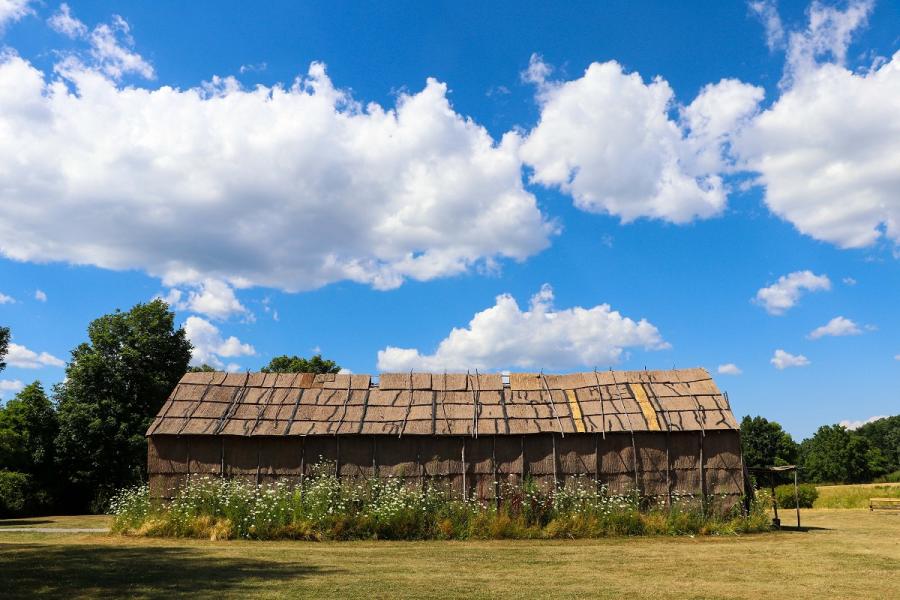
Native Seneca and Haudenosaunee (Iroquois) women, who lived in the region long before European settlers arrived, also played an important role in the evolution of women’s rights. Jikonsaseh, known as the Mother of Nations, passed her title down through generations and is credited with establishing the rights and responsibilities of male and female leadership roles in the Iroquois Confederacy. The Seneca’s matrilineal society gave women considerable influence, as inheritance and property were passed down through the maternal line. You can learn about the Seneca and Haudenosaunee people and their culture at Ganondagan State Historic Site.
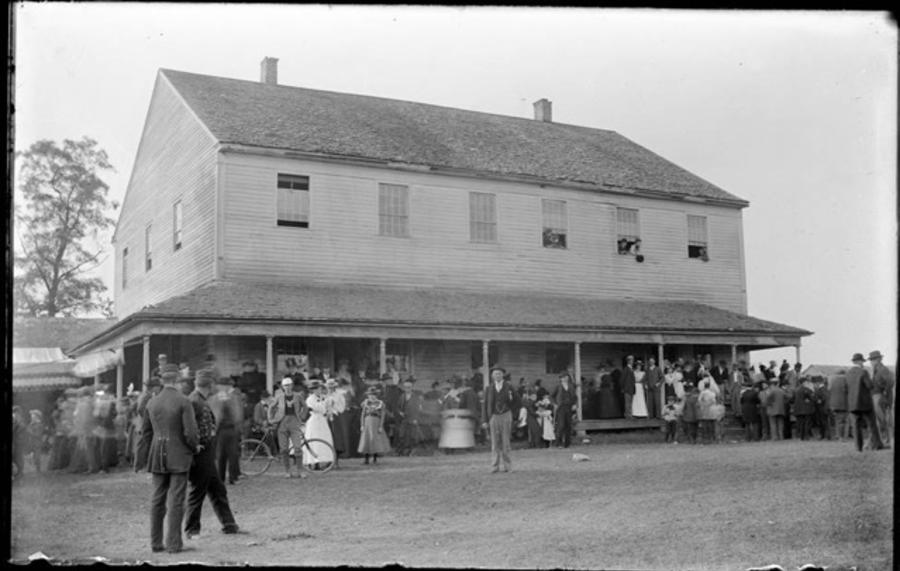
Listed on the National Register of Historic Places, the 1816 Farmington Quaker Meetinghouse served as a crossroads for activism promoting equal rights for all, including women, Native Americans and African Americans. The building is under restoration, but events highlighting its historical significance take place in the area on a regular basis.
The Ontario County Courthouse in Canandaigua is the site of Susan B. Anthony’s trial for voting in the 1872 presidential election. The judge directed the jury to convict her without deliberation, but she refused to pay the $100 fine. Today, visitors can see the courthouse and the statue of Lady Justice standing proudly on top, along with her namesake road separating the courthouse from Finger Lakes Visitors Connection, located on Susan B. Anthony Drive.
Sarah Hopkins Bradford (1818–1912) is another prominent figure in the history of women’s rights. A children’s book author who lived in Geneva, she was known for her “Sunday School” books that taught moral lessons to young readers. In the late 1860s, when Harriet Tubman was struggling to keep her home in Auburn, supporters devised a plan to find a skilled writer to author Tubman’s biography and donate the proceeds to her. Bradford became that biographer and formed a close friendship with Tubman. Bradford’s Geneva home at 629 South Main St. is now the admissions office for Hobart and William Smith Colleges.
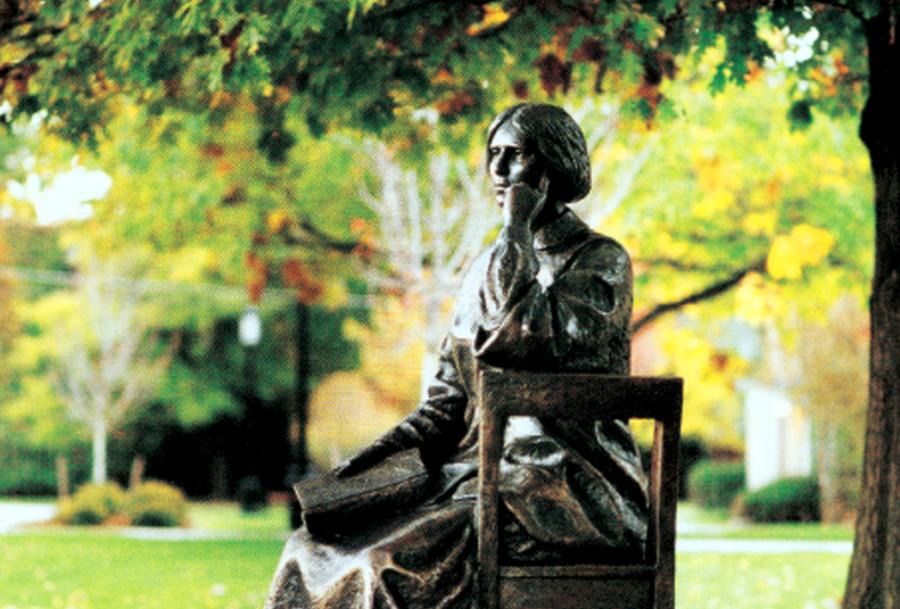
Elizabeth Blackwell (1821–1910) was another fixture of Geneva history as the first woman in the United States to receive a medical degree. A bronze statue of Blackwell stands on the campus of Hobart and William Smith Colleges, where she attended what was then called Geneva College.
Tell us about your favorite historical spot by tagging us @VisitFLX and using #VisitFLX. Don't forget to sign up for our newsletter to stay in the know with all things FLX!
Explore more of our content to learn more about women’s history, today’s brave women, women-owned businesses, and related events.
Dive into a vibrant mix of history, culture, and adventure as you follow in the footsteps of pioneering women who have inspired change—from women’s rights activists and abolitionists, to modern-day entrepreneurs, winemakers, and...

An action-packed calendar of events, and the Finger Lakes is no exception! Find public events, festivals, concerts, and other happenings throughout the year across Ontario County, NY.

In the Finger Lakes, women-owned businesses are rooted in heritage, fueled by passion, and shaped by the women behind them. From family traditions to new ventures. Visit Finger...